What are the advantages of aluminum oxide used in architectural decoration after processing?
Oxidized aluminum materials (usually aluminum alloy profiles treated by anodic oxidation process) are widely used in the field of architectural decoration by virtue of their unique processing characteristics and performance advantages. Their core advantages revolve around the four dimensions of "appearance expression, durability, safety and economy", which can be disassembled into the following categories:
1. Strong decorative appearance: high style adaptability, meeting diversified design requirements.
One of the core competitiveness of aluminum oxide is its excellent appearance customization ability, which can match the decoration needs of different architectural styles, which is embodied in:
Rich and stable colors.
Through anodic oxidation process, an oxide film with uniform thickness (usually 5-20μm) can be formed on the surface of aluminum, and combined with coloring techniques (such as electrolytic coloring and organic coloring), various color effects can be achieved, from classic silvery white and champagne to customized bronze, black, wood grain and stone grain colors, and the colors are embedded in the oxide film, thus avoiding the problem of "surface fading" in traditional spraying.
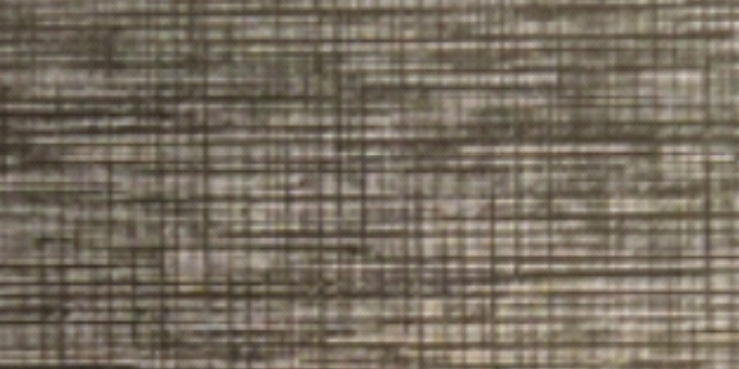
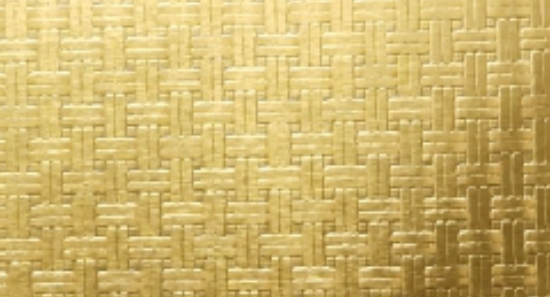
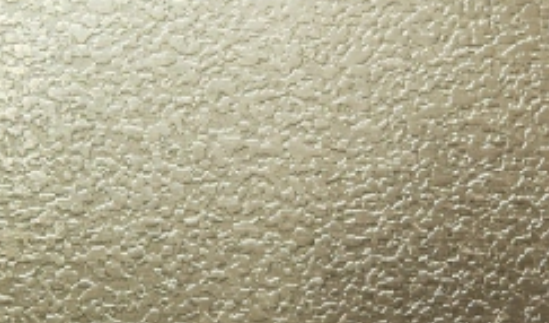
The surface texture is diverse
Different surface textures can be achieved by adjusting the anodizing process parameters:
Matte surface: low-key and soft, suitable for modern simple architectural curtain wall and indoor ceiling;
Bright surface: full of metallic luster, which enhances the exquisite feeling of the building and is often used for the facade decoration of hotels and shopping malls;
Imitation of material texture: the texture of wood and stone is simulated by composite technology (such as wood grain transfer and stone grain transfer), which not only retains the durability of aluminum, but also has the visual temperature of natural materials, and is suitable for interior and exterior decoration of houses and cultural tourism buildings.
Flexible modeling and easy processing
Aluminum alloy itself has good ductility and plasticity. Oxidized aluminum can be processed into complex shapes (such as arc lines, special-shaped curtain wall units and hollowed-out decorative pieces) by extrusion, bending and cutting, without complicated secondary treatment, which can meet the architect's design requirements for "personalized facade" and "detail decoration", especially suitable for the characteristic decoration of landmark buildings.
Second, excellent durability: wear resistance, environmental erosion resistance and long-term maintenance-free.
Building decoration materials need to withstand the loss of outdoor environment (sun, rain and corrosion) or indoor high-frequency use for a long time, and oxidized aluminum materials are outstanding in durability:
Super corrosion resistance
The oxide film (mainly composed of Al₂O₃) formed by anodic oxidation has a compact structure, which can effectively isolate corrosive substances such as air, moisture, acid rain, salt (coastal areas) from contacting with aluminum matrix, and avoid aluminum rust and corrosion. Compared with untreated aluminum alloy or steel, the service life of oxidized aluminum can be extended to 15-20 years in outdoor environment, and there is no need to brush anti-rust paint or carry out anti-corrosion treatment frequently during this period.
Scratch and wear resistance
The hardness of oxide film can reach HV300-500 (close to the hardness of glass), which is much higher than that of ordinary sprayed aluminum material (HV100-200). It is not easy to generate scratches during daily cleaning or slight collision, especially suitable for crowded public places (such as shopping mall corridors and elevator door covers) or parts that are easy to contact and rub (such as door and window frames and railings).
Stable weather resistance, no fear of extreme environment.
It can withstand large temperature fluctuation (-50℃ to 120℃), and it is not easy to deform and crack under high temperature exposure, and it will not become brittle under low temperature environment; At the same time, the oxide film does not absorb moisture and mildew. In humid southern areas or basements, there will be no problems of "damp and moldy" wood and "damp and rusty" steel, and the appearance will remain intact for a long time.
Third, the safety performance is reliable: lightweight, fireproof and flame retardant, which meets the building safety standards.
The safety of building decoration materials is the core requirement, and the oxidized aluminum meets the specifications in terms of "structural safety" and "fire safety":
Lightweight, reduce building load
The density of aluminum alloy is only 1/3 of that of steel. Oxidized aluminum can greatly reduce the self-weight load of buildings while ensuring the strength (oxidation treatment does not reduce the mechanical properties of aluminum). For example, using oxidized aluminum to make curtain wall keels or decorative lines can reduce the weight by more than 50% compared with steel, which not only reduces the design pressure of building structures, but also reduces the difficulty of construction, transportation and installation, and is especially suitable for high-rise buildings or old building renovation projects.
Fireproof and flame retardant, no potential safety hazard.
Aluminum alloy itself belongs to incombustible material (fire protection grade is A), and the anodic oxide film also has good high temperature resistance (no toxic gas is released at high temperature, no combustion-supporting), which completely conforms to the building fire safety code. Compared with decorative materials such as wood (B2 flammable) and plastic (burning releases toxic gas), oxidized aluminum can reduce the safety risk in fire scenes, especially suitable for hospitals, schools, high-rise buildings and other places with high requirements for fire prevention.
No harmful substance release, environmental protection and safety.
Inorganic electrolytes (such as sulfuric acid and oxalic acid) are mainly used in the anodic oxidation process, and no volatile organic compounds (VOC) such as formaldehyde and benzene are emitted during the production process, and the finished product will not release toxic substances; And the aluminum material can be recycled 100%, which conforms to the trend of "green building" and "sustainable development" and is suitable for public buildings or high-end residential projects that pay attention to environmental protection.
4. Outstanding economy: reasonable initial investment and low life cycle cost.
From the whole life cycle of "short-term purchase+long-term use", the economic advantages of oxidized aluminum are obvious:
The initial cost is controllable and the cost performance is high.
Although the unit price of oxidized aluminum is slightly higher than that of ordinary sprayed aluminum or steel, considering that it does not need frequent maintenance (such as painting antirust paint and replacing damaged parts every year), the long-term use cost is lower-taking outdoor curtain wall as an example, ordinary sprayed aluminum needs touch-up maintenance every 3-5 years, and the single maintenance cost is about 30% of the initial cost, while oxidized aluminum basically does not need maintenance within 15 years, but the whole life cycle cost is lower.
Convenient installation and shortened construction period.
Oxidized aluminum material has light weight, high processing precision (such as standardized curtain wall profiles and splicing buckles), no need for large hoisting equipment during installation, small splicing gap and good sealing performance, which can reduce the time for cutting and adjustment on site, shorten the construction period by 20%-30% compared with decorative materials such as stone and wood, and indirectly reduce the labor cost and management cost of the project.
Easy cleaning and simple daily maintenance.
The surface of the oxide film is smooth and free from oil stains, and daily cleaning only needs to be wiped with clean water or neutral detergent, without a professional maintenance team; Even if the surface is slightly stained after long-term use, it can be restored to its original appearance through simple treatment, greatly reducing the manpower and time investment in later maintenance.
Typical application scenarios
Based on the above advantages, the application scenarios of aluminum oxide in the field of architectural decoration are very extensive, such as:
External decoration: building curtain wall, faç ade lines, door and window frames, balcony railings, canopy skeleton;
Interior decoration: indoor ceiling keel, wall decorative board, elevator door cover, skirting line, furniture frame;
Special scenes: column decoration of high-speed railway station/airport, metal background wall of hotel lobby, outdoor signs in coastal areas.
To sum up, with the comprehensive advantages of "high face value, wear resistance, high safety and low cost", oxidized aluminum has become the preferred material in the field of modern architectural decoration, especially suitable for projects with high requirements on appearance design, durability and environmental protection, and it is also one of the important directions for the development of "lightweight, green and customized" architectural decoration materials in the future.