What are the advantages of using alumina plate for notebook shell processing?
The notebook shell is made of aluminum oxide plate, and the core is the surface treatment of pure aluminum or aluminum alloy plate by anodic oxidation process, which makes it have both the characteristics of metal substrate and the excellent performance of oxide layer. This scheme is widely used in mid-to-high-end notebooks (especially light and thin notebooks, business notebooks and some game notebooks), and its advantages can be developed from physical performance, practical experience, design and cost-effectiveness.
First, excellent physical properties: both strength and lightweight.
This is the core advantage of alumina board, which perfectly meets the core demand of notebook "light and durable".
High strength and deformation resistance
Pure aluminum itself is soft, but the Al₂O₃ oxide layer (usually 5-20μm thick) formed by anodic oxidation has extremely high hardness (Mohs hardness can reach 2.5-3.5, close to glass), and it is closely combined with the substrate, which can significantly improve the overall structural strength of the shell.
In practical use, it can effectively resist the depression or deformation caused by daily squeezing and slight collision, especially for the notebook top cover (protecting screen) and palm rest area (supporting hand pressure).
Extreme lightweight
The density of aluminum is only 2.7 g/cm, which is much lower than other metals commonly used in notebook housings (such as magnesium alloy, about 1.8 g/cm, but the cost is higher; Stainless steel is about 7.9g/cm³, which is too heavy), and it is also lower than most engineering plastics (for example, ABS is about 1.05g/cm³, but its strength is insufficient, so it needs to be thickened).
Notebooks with alumina plates are easier to achieve a light and thin body of 1.0-1.5kg, and at the same time avoid the problem that the plastic shell is "light but soft".
Second, excellent surface characteristics: scratch resistance, dirt resistance and easy maintenance.
The oxide layer formed by anodic oxidation is "grown from the substrate" (not sprayed or pasted), so the surface characteristics far exceed those of ordinary metal or plastic shells:
Super scratch resistance: the hardness of oxide layer is much higher than that of aluminum substrate and plastic. When it is slightly scratched by hard objects such as keys and pen tips in daily use, it is not easy to leave obvious scratches, and the shell can still maintain a good "brand-new" after long-term use.
Corrosion resistance and weather resistance: The chemical property of the oxide layer is stable, which can resist the corrosion of sweat (containing salt), daily water stains and slight oil stains, and avoid the oxidation blackening of aluminum substrate (if the ordinary aluminum shell is not treated, it is easy to appear "yellowing" and "spots" after contacting with sweat). Even in humid, high temperature and other environments, the shell is not easy to age and deteriorate.
Easy to clean, no fingerprints (part of the process):
The surface of oxide layer is porous, which can be optimized by subsequent "hole sealing treatment" or "sand blasting process":
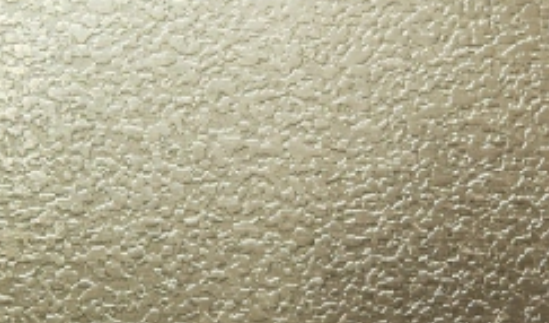
Sand-blasted alumina board: the surface presents a fine matte texture, and fingerprints and oil stains are not obvious after adhesion, so it can be cleaned with a dry cloth;
Compared with piano paint plastic (easy to leave fingerprints) and smooth metal (obvious fingerprints and difficult to wipe), the practicality is greatly improved.
Third, the design is flexible: both texture and personalization.
Alumina board can not only reflect the high-end texture of metal, but also achieve rich appearance effects through technology to meet the positioning needs of different products:
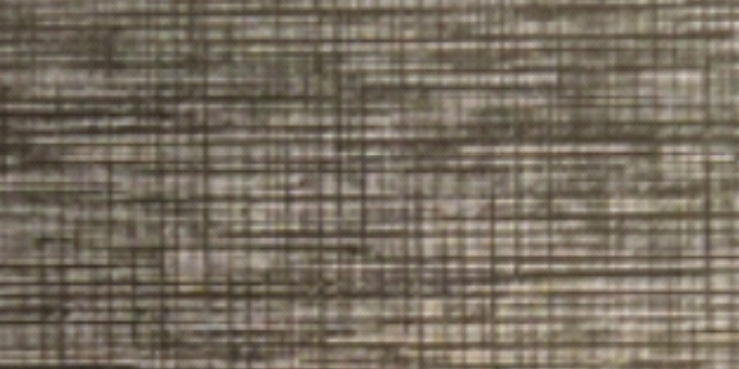
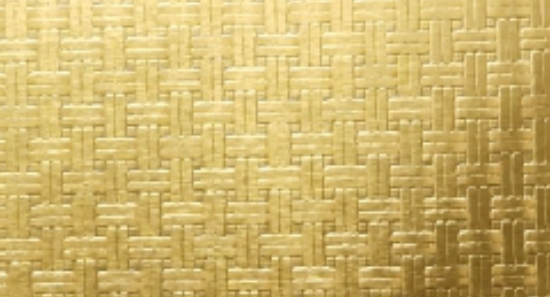
High-quality texture: the oxide layer can present a delicate metallic matte, frosted or micro-pearlescent effect, which is more graded than the "cheap feeling" of plastic shell and the "plastic feeling" of ordinary painted metal, and is suitable for the positioning of business books and high-end thin books.
Colorful and durable: in the process of anodizing, a variety of stable colors such as silver, gray, blue and red can be realized by adding dyes (such as deep space gray of MacBook and bright moon silver of Huawei MateBook), and the colors are borne by the oxide layer itself, which is not easy to fall off and fade like painting (the colors are still uniform after long-term use).
Fine details: The alumina board can be accurately cut and polished by CNC (Numerical Control Machine Tool) to realize fine design such as narrow border, seamless splicing and fillet transition, and improve the overall exquisiteness of the notebook.
Fourth, practical experience optimization: heat dissipation assistance and antistatic
Auxiliary heat dissipation: aluminum itself is an excellent heat conduction material (thermal conductivity is about 237 W/(MK)). Although the shell is not the main heat dissipation component, the aluminum oxide plate can quickly conduct local heat inside the fuselage to the surface and dissipate it, which helps to reduce the temperature of the palm rest and keyboard area to some extent (more conducive to passive heat dissipation than the insulated plastic shell).
Anti-static: the shell of metal substrate can release static electricity through grounding (notebook power adapter is usually grounded), which avoids electrostatic adsorption of dust (plastic shell is easy to accumulate dust) and reduces the potential impact of static electricity on internal components.
5. Balance between cost and environmental protection: the cost performance ratio is better than that of high-end metals.
Compared with all-magnesium alloy (high cost and difficult processing) and titanium alloy (expensive, rarely used in consumer notebooks), alumina plate (aluminum alloy as the base material and mature processing technology) has lower cost, and can achieve the performance and texture close to high-end metal, which is one of the best solutions of "performance, texture and price".
At the same time, the recycling rate of aluminum materials is high (the recovery rate is over 90%), which conforms to the trend of environmental protection and is especially suitable for brands that pay attention to sustainable development.
Summary: the core advantages of alumina plate shell
Dimension specific advantage
Lightweight structural performance (low density)+high rigidity (enhanced oxide layer), strong deformation resistance and collision resistance.
The surface is practical, scratch-resistant, dirt-resistant, easy to clean, strong in corrosion resistance, and not easy to age after long-term use.
The design has advanced metal texture, diverse and durable colors, supports fine processing, and improves product grade.
Practical experience: auxiliary heat dissipation, antistatic, and not easy to accumulate dust.
The cost, environmental protection and cost performance ratio are better than those of magnesium alloy/titanium alloy, the processing is mature, and the aluminum material can be recycled, which meets the environmental protection requirements.
It is these advantages that make alumina board become the "golden choice" of the current high-end notebook case, especially suitable for users who pursue "lightness, durability, advanced texture and long-term practicality".