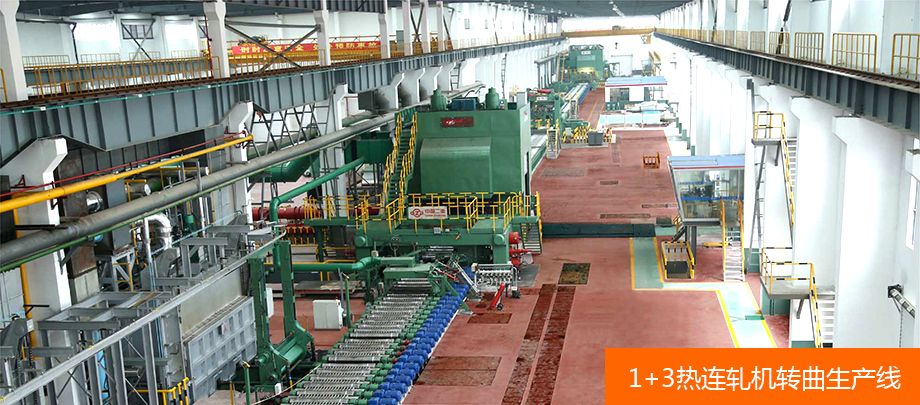
The processing technology of embossed aluminum plate with imitation wire drawing pattern is a compound processing technology, which combines multiple physical and chemical processes, engraves wire drawing texture on the surface of aluminum plate and presses three-dimensional pattern. The core is to realize the dual effects of "wire drawing texture" and "embossing three-dimensional effect", and the specific process can be divided into seven core links.
1. Pretreatment of substrate: laying the foundation for processing.
The purpose of this step is to remove impurities on the surface of aluminum plate and ensure the adhesion and texture clarity of subsequent processes, which is the key premise of process quality.
Screening of base material: pure aluminum plate with purity above 99.0% or aluminum alloy plate with 3 series and 5 series, usually with a thickness of 0.3-3mm, and the size and hardness of the plate are determined according to application scenarios (such as decoration and home appliance panels).
Degreasing and cleaning: the aluminum plate is immersed in an alkaline degreasing agent (such as sodium hydroxide solution) at a temperature of 50-60 DEG C for 5-10 minutes to remove oil stains, dust and rolling residues on the surface; Then rinse with deionized water for 2-3 times to avoid the influence of chemical residues on subsequent treatment.
Surface activation: pickling with weak acid solution (such as phosphoric acid solution) for a short time (30-60 seconds), slightly corroding the surface of aluminum plate, forming a uniform micro-rough surface, and enhancing the bonding force of subsequent coating or texture processing; After pickling, it is washed again and dried to ensure that the surface of the plate is dry and moisture-free.
Second, wire drawing texture processing: re-engraving silk texture.
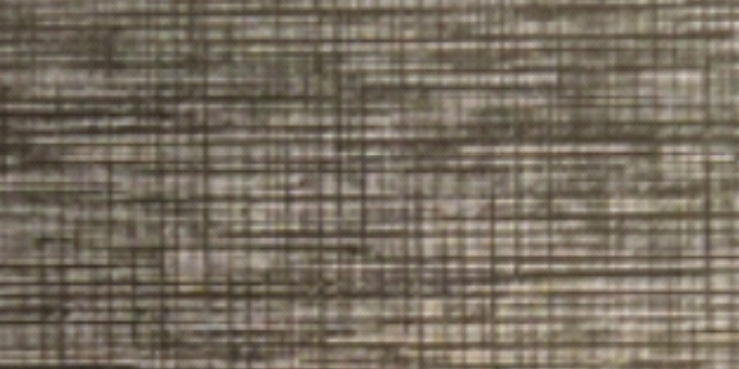
Through physical grinding, parallel or staggered fine lines are formed on the surface of aluminum plate to simulate the delicate touch of metal wire drawing. There are two common processes.
Mechanical wire drawing: the pretreated aluminum plate is fixed on the wire drawing table, and an abrasive belt or grinding wheel with a particle size of 120-400 meshes is selected to grind in a single direction (longitudinal or transverse) at a speed of 5-10m/min; The grinding pressure is controlled at 0.2-0.5MPa to avoid the deformation of the plate caused by excessive pressure, and finally the drawing texture with a depth of 5-15μm and even spacing is formed.
Chemical wire drawing: It is suitable for aluminum plates with complex shapes. The plate is immersed in chemical etching solution (such as mixed solution of nitric acid and hydrofluoric acid) containing corrosion inhibitor. By controlling etching time (3-5 minutes) and temperature (25-30℃), the surface of the aluminum plate is selectively corroded in the preset direction to form a softer wire drawing effect. Neutralization and cleaning are required immediately after etching to prevent excessive corrosion of the texture.
Third, embossing: pressing three-dimensional patterns.
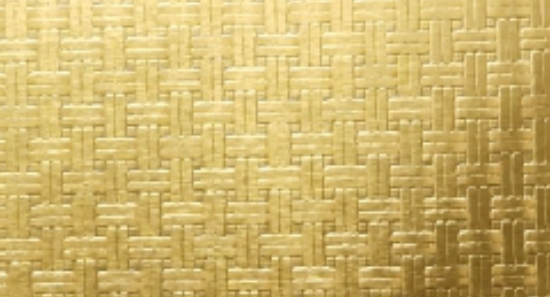
It is the core link of the process to press the drawn aluminum plate out of the preset pattern by using the die pressure, so that the surface has both the texture of drawing and the three-dimensional pattern.
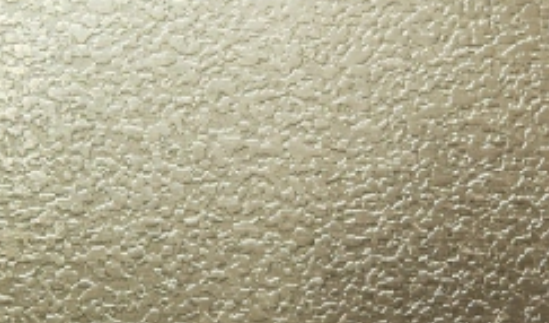
Mold preparation: according to the design requirements (such as diamond, orange peel, stripes), make the upper and lower molds corresponding to concave and convex. The mold material is high-strength Cr12MoV alloy steel, and the surface is quenched (hardness reaches HRC58-62) to ensure the precision of pattern engraving and the durability of the mold.
Embossing: send the drawn aluminum plate to a hydraulic embossing machine, adjust the distance and pressure between the upper and lower dies (usually 10-30MPa), and control the pressing speed at 1-3 m/min; When pressing, it is necessary to ensure that the temperature of aluminum plate is stable (normal temperature or slightly preheated to 40-50℃) to avoid pattern deformation or plate cracking caused by temperature fluctuation; Some complex patterns need to be pressed step by step in 2-3 times to ensure that the patterns are clear and complete.
Fourth, surface strengthening: improving performance and texture
Through coating or oxidation treatment, the corrosion resistance and wear resistance of aluminum plate are enhanced, and the visual effect of wire drawing and embossing is optimized.
Coating treatment: the mainstream uses powder spraying or fluorocarbon spraying. When powder spraying, epoxy resin powder is evenly sprayed on the surface of aluminum plate, and cured at 180-200℃ for 15-20 minutes to form a protective film with a thickness of 50-80μm; Fluorocarbon spraying adopts polyvinylidene fluoride (PVDF) coating, and the curing temperature is 230-250℃, so the coating has stronger weather resistance and is suitable for outdoor scenes. The coating color can be customized according to the requirements, and it can highlight the layering of the drawing texture.
Anodizing: For more demanding scenes, the embossed aluminum plate is put into sulfuric acid electrolyte and electrolyzed with the aluminum plate as anode (current density is 1-2a/dm, temperature is 15-20℃) to form an aluminum oxide film with a thickness of 10-20μm on the surface; The oxide film can not only improve the corrosion resistance, but also give the aluminum plate various colors through the dyeing process, without covering up the details of wire drawing and embossing.
5. Finishing: Optimize the size and appearance.
Cut, trim and check the quality of the processed aluminum plate to ensure that the product meets the specification requirements.
Cutting and trimming: according to customer's demand, use CNC shearing machine or laser cutting machine to cut aluminum plate to the specified size, and the error is controlled within ±0.1mm;; Then use an edge grinder to remove burrs and sharp edges on the edge of the plate to avoid scratches in subsequent use.
Surface finishing: wipe the surface of aluminum plate with a dust-free cloth dipped in a special cleaner to remove residual powder or stains during processing; For the area with unclear local texture, slightly polish and repair it with fine sandpaper to ensure the overall appearance consistency.
Six, quality inspection: control the standard of finished products.
Through multi-dimensional inspection, unqualified products are screened to ensure stable quality.
Appearance inspection: under natural light, visually inspect whether the drawing texture on the surface of aluminum plate is uniform, whether the embossed pattern is complete, and there is no pressure leakage, wrong pressure or obvious scratches; Use a color difference meter to detect the color of the coating to ensure that the color difference Δ e of the same batch of products is ≤ 1.5.
Performance test: sampling is conducted for adhesion test (cross method, adhesion ≥5B), salt spray resistance test (no rust after 1000 hours in neutral salt spray environment) and wear resistance test (no obvious wear after 500g load and 1000 times rubbing) to ensure that the product meets the performance requirements of the use scene.
Seven, packaging warehousing: to ensure transportation safety.
Standardize the packaging of qualified finished products to avoid damage during transportation.
Single package: wrap the surface of aluminum plate with PE protective film to prevent scratching or dust contamination; For thinner aluminum plates, cardboard is sandwiched in the middle to avoid bending and deformation.
Batch packaging: Stack individual packaged aluminum plates neatly on a wooden pallet, fix them with a packing belt, cover the outer layer with waterproof plastic film, mark the product specification, batch number and quantity, and then send them to the warehouse for storage and waiting for delivery.
The whole process needs to strictly control the temperature, pressure and time parameters of each link, so as to realize the characteristics of "exquisite texture, three-dimensional pattern and stable performance" of embossed aluminum plate with wire drawing pattern, which is widely used in architectural decoration, home appliance panels, furniture hardware and other fields.