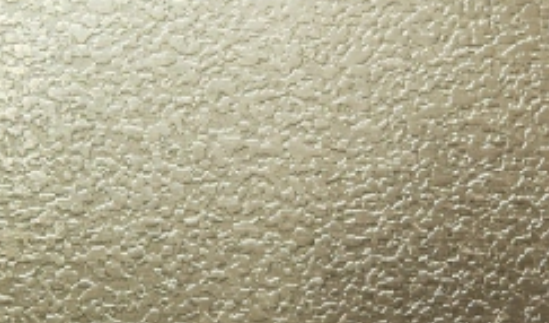
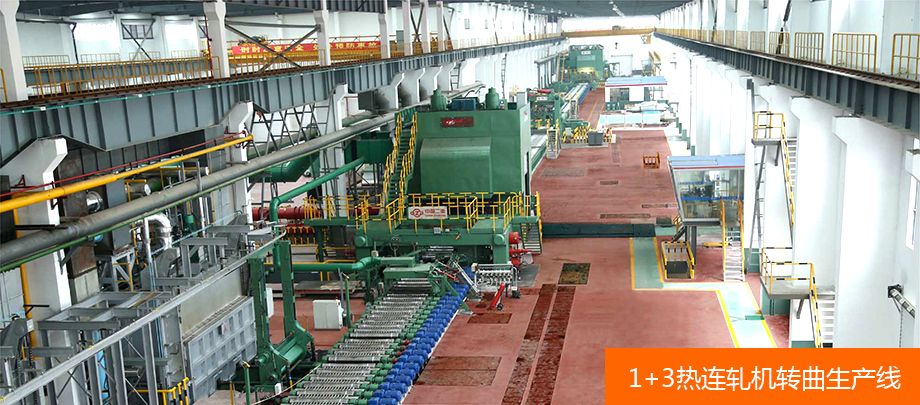
Leather embossed aluminum plate is processed through four core stages: substrate treatment-texture forming-surface strengthening-finishing inspection. The core is to reproduce the texture and three-dimensional touch of leather on the surface of aluminum plate. The specific process can be divided into six key steps, giving consideration to aesthetics and practicality.
First, the substrate pretreatment: to ensure that the surface is clean and flat.
This link lays a foundation for subsequent texture processing, focusing on solving the problems of impurities and flatness on the surface of aluminum plate and avoiding affecting the precision of texture engraving.
Selection of base material: 1 series pure aluminum plate or 3 series aluminum alloy plate is preferred, and the thickness is usually between 0.5 and 5 mm. The plate size is determined according to the application scenarios (such as furniture panels and decorative curtain walls); The cold-rolled aluminum plate is selected to ensure that the initial flatness error of the substrate surface is less than or equal to ≤0.1mm/m and reduce the subsequent embossing deformation.
Degreasing and impurity removal: put the aluminum plate into an alkaline degreasing tank (the main component is sodium hydroxide with a concentration of 5%-8%), and soak it at 50-60℃ for 8-12 minutes to dissolve the rolling oil stain, dust and oxide layer on the surface; Then rinse with high-pressure deionized water for 3 times, each time for no less than 2 minutes, to completely remove chemical residues; And finally, feeding into a drying furnace, and drying at 80-100 DEG C for 15-20 minutes to ensure that the surface of the plate is dry and free of moisture.
Surface leveling: slightly roll the dried aluminum plate, and roll it with 2-3 groups of smooth rollers at a uniform pressure of 0.3-0.5MPa, so as to correct the tiny warpage or unevenness of the base material, ensure that the surface flatness meets the embossing requirements, and avoid uneven texture depth caused by uneven base material.
Second, the preparation of leather pattern mold: engraving the real texture.
Mold is the core to determine the effect of leather grain, and it is necessary to accurately restore the pores and grain details of leather. There are two common preparation methods.
Master sampling: real leather samples (such as cowhide and sheepskin texture) are selected, and the three-dimensional data of texture are obtained by 3D scanning technology, with an accuracy of 0.01mm;; Import the scanned data into CAD software, optimize the texture, remove the defects (such as scratches and damage) on the original leather surface, and adjust the texture proportion according to the size of aluminum plate to ensure that the texture stitching is naturally dislocation-free.
Mould processing: based on the optimized 3D data, the leather texture is carved on the Cr12MoV alloy steel substrate by EDM or laser engraving technology; After the carving is completed, the surface of the mold is polished, and the roughness is controlled at Ra0.2-0.4μm, followed by quenching (hardness reaches HRC58-62), which improves the wear resistance of the mold and ensures that it can be continuously embossed for more than 50,000 times without deformation.
Thirdly, embossing: realizing texture transfer.
It is the core link of the process to transfer the leather grain on the die to the surface of aluminum plate through pressure, and it is necessary to strictly control the pressure and temperature to ensure that the grain is clear and three-dimensional.
Preheating treatment: send the pre-treated aluminum plate into a preheating furnace and preheat it at 60-80℃ for 10-15 minutes, so as to slightly soften the aluminum plate material, improve the plasticity, and avoid texture fracture or plate cracking caused by too hard material during embossing.
Pressure forming: the preheated aluminum plate is sent to a hydraulic embossing machine, and the prepared leather pattern mold (divided into an upper mold and a lower mold) is correspondingly covered on the upper and lower surfaces of the aluminum plate; Adjust the pressure of the embossing machine to 15-30MPa, control the pressing speed to 1-2m/min, and adjust the holding time (0.5-2 minutes) according to the thickness of the aluminum plate to ensure that the mold texture is completely printed on the surface of the aluminum plate, forming a three-dimensional leather grain with a depth of 20-50μm, and the texture clarity should reach more than 95%, without pressure leakage and blurring.
Cooling and setting: Immediately after embossing, the aluminum plate is sent into the cooling channel, and the temperature is quickly reduced to normal temperature by air cooling or water cooling (water temperature is 20-30℃), so that the leather lines on the aluminum plate surface are set and the texture deformation is prevented in subsequent processing.
Fourth, surface strengthening: improving performance and texture
Through coating or oxidation treatment, the corrosion resistance and wear resistance of aluminum plate are enhanced, and the visual and tactile effects of leather lines are optimized.
Coating treatment: the mainstream uses powder spraying or fluorocarbon spraying. When powder spraying, matte or semi-matte powder coatings (such as epoxy resin and polyester resin) matching with leather texture are selected and evenly covered on the surface of aluminum plate by electrostatic spraying technology, and the coating thickness is controlled at 60-100 μ m; Then it is sent to a curing furnace and cured at 180-220℃ for 20-25 minutes to form a protective film, and at the same time, the coating penetrates into the gaps of leather lines to highlight the texture layering. Fluorocarbon spraying is suitable for outdoor scenes. PVDF fluorocarbon coating is used, and the curing temperature is 230-250℃. The coating has stronger weather resistance, can resist ultraviolet rays and rain erosion, and has a service life of more than 15 years.
Anodizing: According to the high-end demand, the embossed aluminum plate is anodized. Putting aluminum plate into sulfuric acid electrolyte (concentration 15%-20%), introducing current of 1-2a/dm with aluminum plate as anode and lead plate as cathode, and electrolyzing at 20-25 DEG C for 30-40 minutes to form aluminum oxide film with thickness of 15-25μm; The oxide film can not only improve the corrosion resistance, but also endow the aluminum plate with various colors (such as brown and black, which are close to the true color of leather) by dyeing process, and it does not cover up the detailed touch of leather grain.
5. Finishing: Optimize the size and appearance.
Cut, trim and clean the embossed aluminum plate to ensure that the product meets the actual use requirements.
Accurate cutting: according to the size of customer's order, use CNC shearing machine or laser cutting machine to cut aluminum plate, and the cutting error is controlled within ±0.1mm to avoid the size deviation from affecting subsequent installation; For special-shaped parts (such as arc and circle), use CNC punch or water jet to cut to ensure smooth edges without burrs.
Edge trimming: use grinding wheel or edger to polish the cut edge of aluminum plate to remove sharp edges and burrs, and the roughness Ra of the polished edge is less than or equal to 0.8 μ m to prevent the hand from being scratched when using; At the same time, check the surface of aluminum plate, and slightly polish and repair the area with fine sandpaper (particle size 800-1000 mesh) to ensure the overall texture consistency.
Cleaning and dust removal: Wipe the surface of aluminum plate with a dustless cloth dipped in a special cleaning agent (such as isopropanol) to remove the powder, oil stain or dust remaining in the processing, especially the gaps of leather lines, and wipe it repeatedly to ensure that there is no impurity residue and the surface is clean.
Six, quality inspection and packaging warehousing
Screening qualified products through multi-dimensional detection, and then standardizing packaging to ensure product quality and transportation safety.
Quality inspection: in appearance, visually check whether the leather grain is clear and complete under natural light, without deformation or pressure leakage, and touch it by hand to check whether the texture feels even and has no obvious protrusions or depressions; In terms of performance, the samples were tested for adhesion (the adhesion was ≥5B by the grid method), salt spray resistance (no corrosion after 800 hours in neutral salt spray environment) and abrasion resistance (no obvious coating peeling after 500g times of rubbing) to ensure that the products meet the use requirements.
Packaging and warehousing: a single product is wrapped with PE protective film, and the thickness of the protective film is ≥0.05mm to prevent the surface from being scratched during transportation; Stack a single packaged aluminum plate neatly on a wooden tray, with the height of each stack not exceeding 1.2 meters to avoid crushing the lower plate; Cover the outer layer with waterproof plastic film, mark the product specifications, batch number and quantity, and send it to the warehouse for storage, waiting for delivery.
During the whole processing process, it is necessary to accurately control the mold precision, embossing parameters and coating technology, and finally realize the effect of "leather-like, real touch and stable performance" on the surface of aluminum plate, which is widely used in furniture, household appliances, decoration and other fields.